
Workforce Systems Design & Occupational Analysis
Workforce Systems Design for Healthcare Education and Institutional Partners
Strategic occupational analysis and competency mapping that builds clarity, consensus, and workforce architecture aligned with funding and institutional priorities.
Clarity Precedes Capacity
In complex workforce ecosystems, unclear role expectations and fragmented competency standards create downstream strain for educators, leaders, and professionals in the field. When occupational roles are outdated or inconsistently
defined, institutions struggle to align curriculum, leadership pathways, accreditation requirements, and workforce demands.
Structured occupational analysis brings institutional stakeholders together to define roles clearly, document expectations rigorously, and establish shared direction.
Clarity is not administrative detail.
It is strategic infrastructure.

What This Work Produces
Engagements are designed to generate:
Clear, documented occupational profiles
Stakeholder consensus across education, industry, and agency partners
Competency frameworks aligned with current workforce demands
Career pathway clarity and progression markers
Strategic documentation supporting accreditation and funding proposals
Institutional legitimacy and forward momentum
This work equips colleges and agencies with the structural clarity to surface alignment gaps across roles and transition points, and to move forward confidently and credibly.
Structured Occupational Analysis
Through facilitated expert panels using the DACUM methodology, an internationally recognized approach to occupational analysis, subject matter experts collaborate to define:
Occupational duties and task clusters
Essential knowledge, skills, and performance standards
Career transitions and progression points
Alignment implications for curriculum and professional development
Panels are intentionally designed to balance educational, industry, and regulatory perspectives, ensuring outcomes are practical, defensible, and aligned with workforce
realities.
Christine is a Certified DACUM Facilitator and has conducted occupational analyses across multiple nursing career pathways and broader workforce contexts.
Where Workforce Design and Mentoring Converge
Five recent nursing career pathway analyses revealed a critical systems insight: when occupational roles and competencies are clearly mapped, mentoring shifts from informal support to structural necessity.
Clear workforce architecture clarifies the transition points where mentoring must be intentionally embedded to support leadership formation, professional sustainability, and long-term institutional strength.
In healthcare education settings, occupational analysis often reveals where mentoring belongs within the institutional design — a process further developed through Leading Transformational Mentoring™.
Workforce systems design and mentoring infrastructure are not separate initiatives. They are complementary dimensions of sustainable institutional architecture.
Experience & Scope
Christine has facilitated occupational analyses and workforce development initiatives in partnership with community colleges, workforce agencies, and governmental entities.
Her work includes:
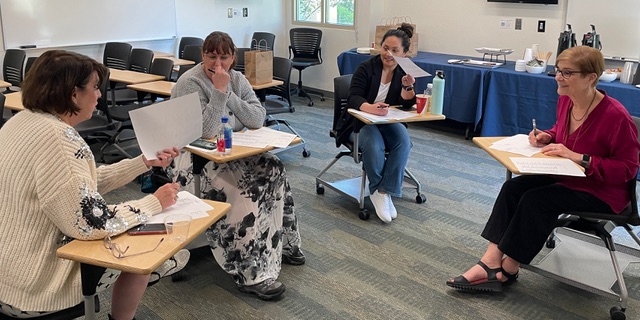
Five nursing career pathway analyses (2024)
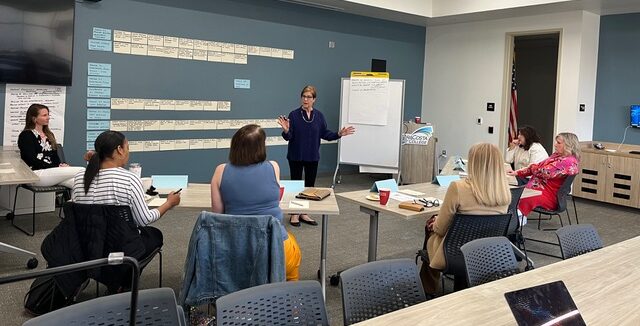
Institutional workforce development initiatives across U.S. contexts
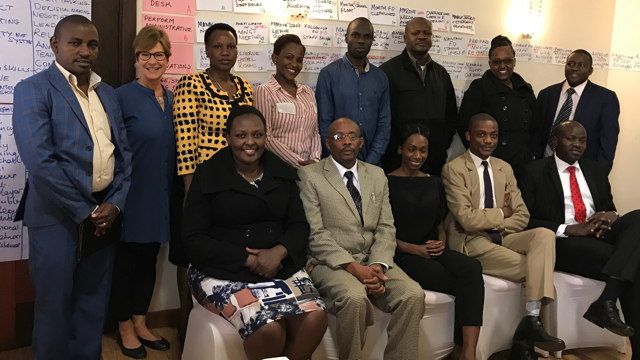
International workforce development engagements in Mongolia, Kenya, Barbados, Jamaica, and Nigeria
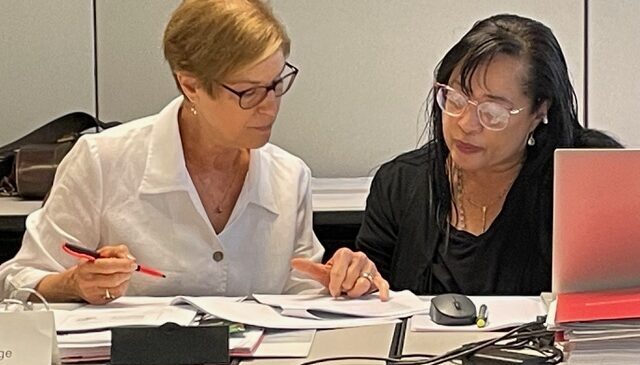
Ongoing consulting collaborations, including projects affiliated with The Ohio State University
Each engagement is tailored to the regulatory, funding, and institutional context in which it operates.
Begin the Conversation
Every workforce ecosystem is shaped by unique conditions, stakeholder dynamics, and strategic objectives. A thoughtful conversation allows us to assess scope, alignment, and the most appropriate pathway forward.